Tarot Major Arcana: All 22 Cards and the Fool's Journey Explained
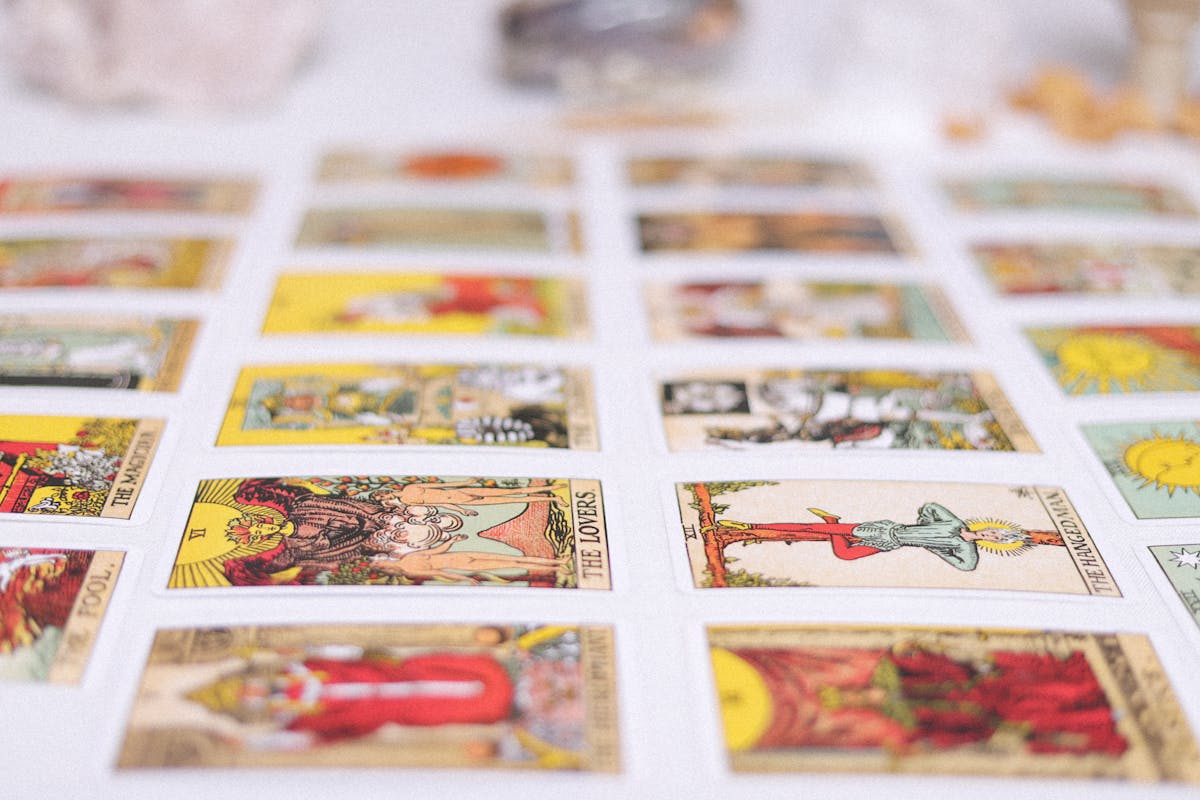
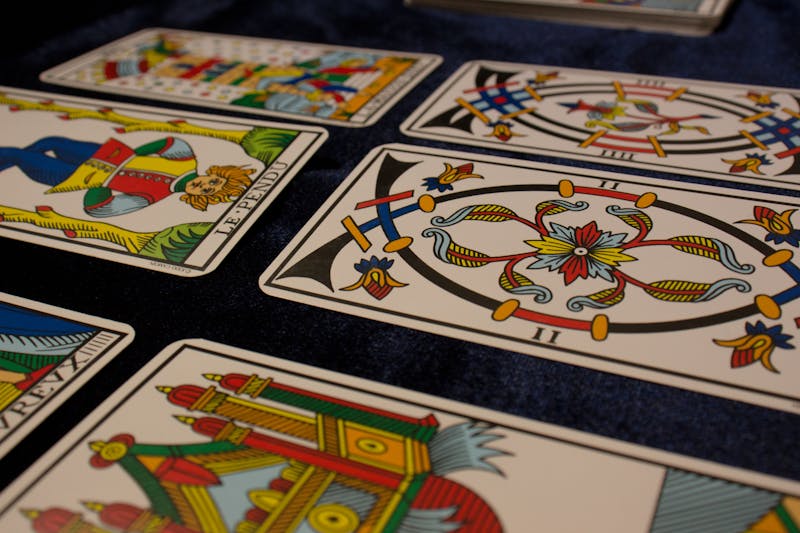
Pick up a tarot deck for the first time and the 78 cards can feel like a foreign language. But there is a shortcut that experienced readers know well: learn the 22 Major Arcana cards first, and everything else starts to make sense. These are the heavyweight cards, the ones that show up when life is asking a real question. The rest of the deck fills in the daily details, but the Major Arcana tells the bigger story.
That story has a name. Readers call it the Fool's Journey, and it runs like a thread through all 22 cards, from card zero to card twenty-one. Once you see the journey, you stop memorizing meanings one by one and start reading the deck as a single narrative about growing up, getting lost, and finding your way back. This is your map.
What the Major Arcana Actually Is
A standard tarot deck splits into two halves. The Minor Arcana holds 56 cards across four suits, and it speaks to the texture of everyday life: a difficult week at work, a small win, a conversation that needs to happen. The Major Arcana holds the other 22 cards, and these are different in weight. When several Major cards turn up in a reading, the message is usually that something significant is moving, a chapter is closing or opening, a lesson is arriving whether you asked for it or not.
Each Major card carries an archetype, a pattern of human experience that shows up in every culture and every era. The Mother. The Teacher. The Tower falling. The wheel turning. You already know these patterns, even if you have never touched a deck, because they live in stories, dreams, and the shape of your own life. That is why the Major Arcana feels strangely familiar the first time you sit with it.
The Fool's Journey: A Quick Map
The Fool is card zero, which is a clever choice. Zero is the number of pure potential, the moment before anything has happened. The Fool is you at the start of any new chapter, full of hope and a little reckless, stepping off a cliff with a small bag and no plan. Every card that follows is a person, force, or experience the Fool meets along the road.
It helps to read the 22 cards in three acts. The first act covers the people and powers we meet early in life. The second covers the inner trials, the moments of testing and surrender. The third covers the cosmic forces and the final arrival. Hold that shape in mind and the meanings stop feeling random.
Act One: The World Around Us (Cards 0 to 7)
The opening cards introduce the figures who shape us before we have much say in the matter, the parents, mentors, and institutions that set the stage.
- 0 — The Fool: New beginnings, faith, and the leap into the unknown. The Fool trusts that the ground will appear.
- 1 — The Magician: Personal power and the ability to turn intention into action. You have the tools; now use them.
- 2 — The High Priestess: Intuition, mystery, and the quiet voice beneath the noise. She asks you to listen inward.
- 3 — The Empress: Abundance, nurture, and creative fertility. This is the energy that grows things.
- 4 — The Emperor: Structure, authority, and boundaries. The Empress creates; the Emperor protects and orders.
- 5 — The Hierophant: Tradition, teaching, and belonging to something larger. The card of mentors and shared belief.
- 6 — The Lovers: Choice, union, and values. Less about romance than about deciding what you truly want.
- 7 — The Chariot: Willpower and forward drive. The Fool takes the wheel and learns to steer competing forces.
Act Two: The Inner Trials (Cards 8 to 14)
Here the journey turns inward. The outside world quiets down and the real work begins, the work of facing yourself.
- 8 — Strength: Courage met with gentleness. The lesson is that real power often looks like patience, not force.
- 9 — The Hermit: Solitude and inner searching. The Fool steps away from the crowd to find a truer light.
- 10 — Wheel of Fortune: Cycles, luck, and change. What goes up comes down, and what is low will rise again.
- 11 — Justice: Truth, fairness, and consequence. Every choice has weight, and the scales remember.
- 12 — The Hanged Man: Surrender and a shift in perspective. Sometimes you grow only by letting go and seeing the world upside down.
- 13 — Death: Endings and transformation, almost never literal death. A door closes so another can open.
- 14 — Temperance: Balance, healing, and patience. After the upheaval of Death comes the slow art of blending opposites.
If you draw the Death card and feel a jolt of fear, take a breath. In tarot this is one of the most hopeful cards in the deck. It marks the end of something that has run its course and clears space for what comes next. Readers who have spent years with the cards tend to welcome it.
Act Three: The Cosmic Forces (Cards 15 to 21)
The final act lifts off the personal stage and into something larger, the forces that test, break, and ultimately complete the Fool.
- 15 — The Devil: Bondage, temptation, and the chains we choose. The hard truth is that most of those chains are loose.
- 16 — The Tower: Sudden upheaval and the collapse of false structures. Painful, but it clears what was never solid.
- 17 — The Star: Hope, renewal, and calm after the storm. The Tower falls so the Star can shine.
- 18 — The Moon: Illusion, dreams, and the fog of uncertainty. Not everything you fear at night is real by morning.
- 19 — The Sun: Joy, clarity, and success. The fog lifts and warmth returns. One of the most welcome cards to draw.
- 20 — Judgement: Awakening and reckoning. A call to rise, review the journey, and answer honestly.
- 21 — The World: Completion and wholeness. The Fool has traveled the full circle and arrives, changed and whole.
And then the cycle begins again. The World flows back into the Fool, because no chapter is ever truly the last one. You complete a journey, rest, and step off the next cliff a little wiser. That circular shape is the heart of what the Major Arcana teaches.
Upright and Reversed: A Simple Way to Read
Many readers also work with reversed cards, meaning a card that lands upside down in a spread. A reversal does not flip a meaning into its opposite. Think of it instead as the same energy turned inward, blocked, or running in excess. The Sun reversed still speaks of joy, but joy that is delayed or dimmed. The Tower reversed can point to a disaster narrowly avoided, or one you are resisting even though it would set you free.
If reversals feel like too much at the start, skip them. Plenty of skilled readers work with upright cards only and lose nothing. Add reversals later, once the upright meanings feel like old friends.
How Beginners Can Start Reading
You do not need a perfect memory or a special gift to begin. You need a deck, a little quiet, and a willingness to sit with what you draw. A few habits make the difference between a deck that gathers dust and one that becomes a real practice.
- Pull one card a day. Each morning, draw a single card and ask what it might be showing you for the day ahead. By evening, look back and notice how it landed.
- Keep a tarot journal. Write the card, your first gut read, and what actually happened. Over a few weeks, patterns appear and the cards start to speak in your own voice.
- Trust the image before the book. Look at the picture and ask what it stirs in you. The traditional meaning matters, but your intuition is doing real work too.
- Start with the Majors. Spend your first weeks learning these 22 cards. Once the archetypes feel familiar, the rest of the deck falls into place far faster.
Tarot, Astrology, and the Bigger Picture
If you already follow your birth chart, you may notice the Major Arcana rhyming with astrology. Each Major card carries a planetary or zodiac association: the Empress with Venus, the Emperor with Aries, the Moon card with the sign of Cancer, the Sun with the Sun itself. Tarot and astrology are two languages describing the same human story, and many readers use them together. A card can name the energy at play, while your chart shows where and how it tends to land for you.
You do not have to believe the cards predict a fixed future to find them useful. Most thoughtful readers treat tarot as a mirror rather than a crystal ball. The cards do not tell you what will happen so much as help you see what is already true, the choice you have been avoiding, the ending you have been resisting, the hope you forgot you were carrying.
Your First Step Off the Cliff
The Major Arcana is not a test to pass or a code to crack. It is a story you already know, told in 22 pictures, about the long and looping road from innocence to wholeness. Learn the Fool's Journey and you hold the spine of the entire deck.
So shuffle, breathe, and pull a card. You are the Fool at the edge of the cliff, and the whole journey is waiting on the other side of the leap.
Want your free daily reading?
Start free