Saturn Return: What It Is, When It Hits, and How to Get Through It

Around age 29, a lot of people find themselves sitting with a question they can't shake: Is this actually the life I want?
Not a passing thought. A real one. The kind that arrives in the middle of the night, or in the middle of a meeting, or when you look at your relationship and realize you've been performing contentment rather than feeling it. Careers start to feel like ill-fitting clothes. Friendships thin out. Old ambitions lose their pull. Some people call it a quarter-life crisis. Astrology has a different name for it.
It's called your Saturn return — and it's one of the most structurally significant periods in any person's life.
What Is a Saturn Return?
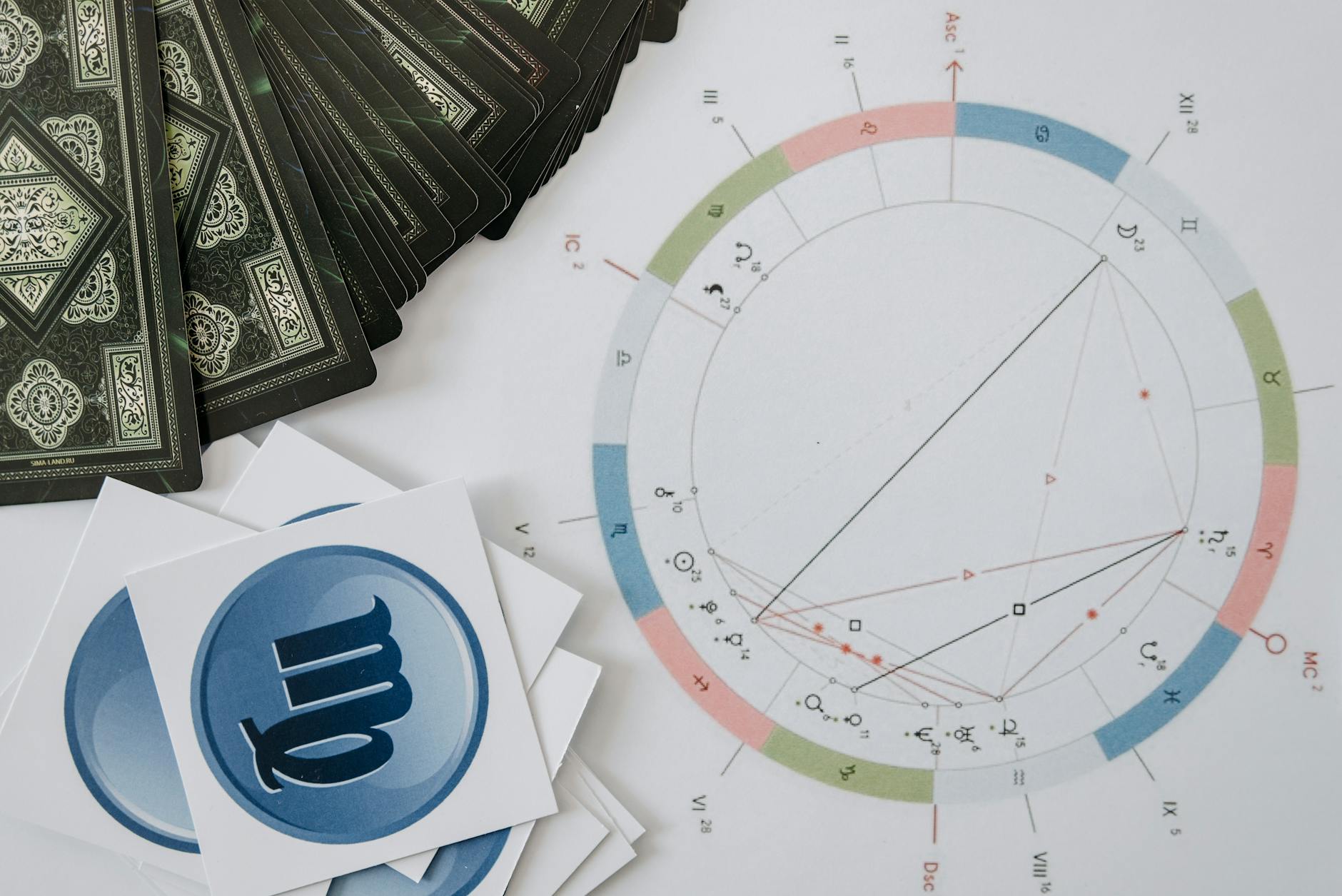
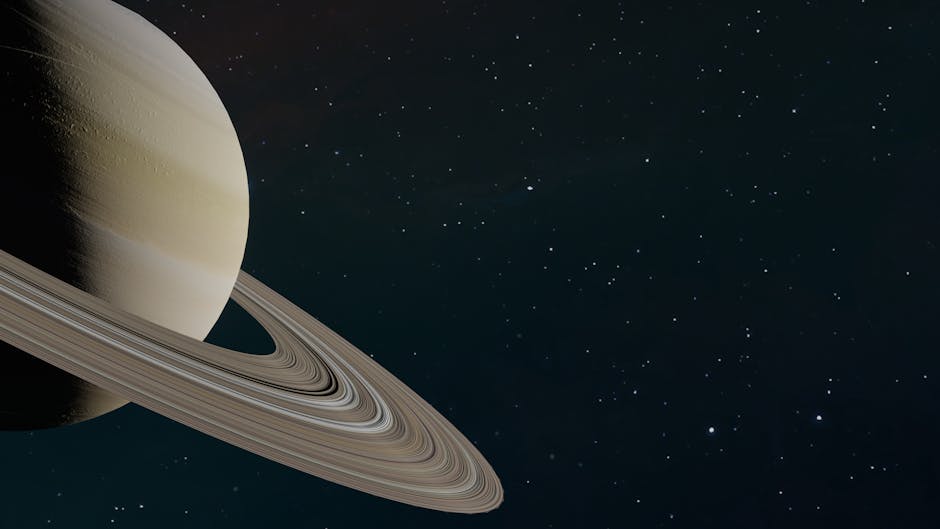
Saturn is the slowest-moving planet in traditional astrology. It takes approximately 29.5 years to complete one full orbit around the sun and return to the exact position it occupied when you were born. That moment — when Saturn comes back to your natal Saturn — is your Saturn return.
In astrology, Saturn rules discipline, responsibility, time, structure, and consequence. It's the planet that doesn't let you off the hook. Where Jupiter promises expansion and luck, Saturn demands that you actually do the work. Its return to your birth position marks a kind of cosmic accounting: a period where the structures you've built (or failed to build) in your life come up for review.
It's not a punishment. It's more like a reckoning — and the difference matters. Saturn isn't trying to destroy your life. It's asking whether the life you're living is built on anything real.
When Does It Happen?
Saturn return has three main windows across a human lifespan:
First Saturn Return: Ages 27–30
This is the one most people encounter consciously. It tends to center on identity, career, relationships, and the gap between who you thought you'd be and who you've actually become. For many, it marks the transition from early adulthood into true adult life — not in the legal sense, but in the sense of taking full ownership of your choices.
Second Saturn Return: Ages 56–60
The second return often surfaces questions about legacy, mortality, and what you've built. It can feel like a pressure to finally prioritize what matters — not what was expected of you, but what you actually value. Retirement, health, relationships, and life meaning tend to come into sharp focus.
Third Saturn Return: Ages 84–90
Reached by far fewer people, the third return tends to be a period of deep reflection, completion, and what some astrologers call a final harvest — taking stock of a life fully lived.
Saturn Return in 2026: Saturn Moves Into Aries
On February 13, 2026, Saturn moved out of Pisces (where it had been since March 2023) and into Aries, where it will remain until April 2028. This transit reshapes the Saturn return experience for two groups in particular:
Born 1996–1999? Saturn was in Aries when you were born. That means 2026 marks the beginning of your first Saturn return. You're being asked to grow up — not in a punishing way, but in the sense of becoming fully responsible for your own direction, rather than drifting or waiting for clarity that won't come on its own.
Born 1966–1969? You're experiencing your second Saturn return. The Aries energy in this second pass tends to surface questions about authenticity, personal courage, and whether you've been living for yourself or living to satisfy expectations that were never truly yours.
Saturn in Aries adds a specific flavor: urgency, directness, a push toward self-determination. Aries is the sign of the self, of initiative, of action taken without waiting for permission. Saturn moving through this sign asks you to stop deferring your own life and start claiming it.
What Actually Changes During a Saturn Return
The cleaner the foundation, the smoother the return. The shakier the foundation, the more disruption. Here's what tends to shift:
Career and Life Direction
If you've been in a job or career that felt like the right answer two years ago but no longer fits — Saturn will surface that gap. This isn't always about leaving. Sometimes it's about going deeper into the work you've avoided, becoming more serious, taking on more responsibility, or finally pursuing the direction you've been putting off because it felt too uncertain.
What Saturn won't let you do is keep floating. The question is no longer what sounds interesting — it's what you're willing to commit to.
Relationships
Partnerships that were held together by convenience, comfort, or inertia tend to come under real pressure during a Saturn return. This can mean endings — not because Saturn is cruel, but because relationships without genuine foundation tend to reveal their cracks under this kind of scrutiny.
That said, relationships that survive a Saturn return tend to emerge more solid than before. The ones built on actual compatibility, respect, and shared values often deepen significantly during this time.
Identity and Self-Concept
Who you thought you were and who you're becoming may not align cleanly anymore. This is disorienting — and it's supposed to be. Saturn return asks you to update your self-image based on what you've actually learned, rather than carrying forward assumptions you inherited in your teens or early twenties.
Old stories about yourself — "I'm not the kind of person who..." or "I've always been..." — get examined. Some of them hold up. A lot of them don't.
Friendships and Social Circles
Saturn return is notoriously hard on friendships. Groups that formed around proximity — school, early jobs, shared apartments — often drift or fracture. This can feel like loss, and it is. But it also tends to surface the relationships that were actually real, the ones that survive the shift in who you're becoming.
Health and Physical Reality
Saturn rules the body in a structural sense — bones, joints, the architecture of physical life. Saturn return can bring a new awareness of physical limits or health, not as punishment, but as an invitation to stop treating the body as a background condition and start paying attention to it.
Why It Feels Hard
Saturn doesn't break things that are working. It applies pressure to things that were already fragile. The difficulty of a Saturn return is usually proportional to the amount of avoidance that's built up in the years before it.
People who've been ignoring what they actually want, who've been staying in situations out of fear rather than choice, who've been postponing real decisions — they tend to have harder Saturn returns. Not because Saturn is punishing them, but because there's more truth to face.
People who've been making honest choices, doing their work, and building something real tend to find the Saturn return less chaotic — more of a consolidation than a collapse.
How to Work With Your Saturn Return
Stop waiting for certainty. Saturn doesn't reward waiting. It rewards action taken with intention, even imperfect action. The person who starts the business, ends the relationship, or changes the career path before they feel "ready" tends to fare better than the one who waits for a green light that never comes.
Audit your life honestly. Not harshly — honestly. Look at your relationships, work, finances, and habits and ask which ones you chose and which ones you inherited by default. Saturn return is a good time to stop living someone else's version of your life.
Expect growing pains. Even positive growth under Saturn can feel like loss, because you're letting go of who you were to become who you're meant to be. Grieving the old version of yourself isn't weakness — it's part of the transition.
Build, don't just break. Saturn respects construction. If you're dismantling things during your return, ask yourself what you're building in their place. Endless deconstruction without direction is just chaos. Saturn wants you to create something with more integrity than what came before.
Get honest about responsibility. This is the core of Saturn's lesson. Where are you blaming circumstances for outcomes you actually have power over? Where are you waiting for someone else to give you permission or opportunity? Saturn return asks you to take the wheel — not recklessly, but clearly and consciously.
The Second Saturn Return: A Different Kind of Reckoning
If you're approaching your late fifties, the second Saturn return carries a different weight. Where the first is largely about establishing yourself, the second tends to be about meaning — what you've built, what it cost, whether it was worth it, and what you want the final act to look like.
Questions about legacy, authenticity, health, and what you've left undone tend to rise to the surface. This can include a desire to step back from roles that no longer fit, reconnect with aspects of self that got buried in decades of obligation, or finally do the things that were always "someday" plans.
In Aries, the second Saturn return has a particular edge: it asks whether you've been brave. Not professionally, necessarily, but personally — whether you've lived your own life or someone else's idea of it.
Saturn Return Is Not a Crisis — It's a Calibration
The cultural framing around Saturn return leans heavily on the word "crisis," and for good reason — it often feels like one. But crisis isn't the point. The point is recalibration.
Saturn returns happen on schedule, like clockwork, regardless of whether you're ready. The question isn't whether your Saturn return will arrive — it will. The question is whether you'll meet it with avoidance and resistance, or whether you'll use it for what it actually is: a structured invitation to build a life you can actually stand behind.
The people who come out of their Saturn return with more clarity, more purpose, and more honest relationships are usually the ones who stopped fighting what needed to change and started asking what they were being asked to build instead.
That's the real work of Saturn. Not the collapse. The construction.
Want your free daily reading?
Start free